Chef's PickMost Loved
The signature
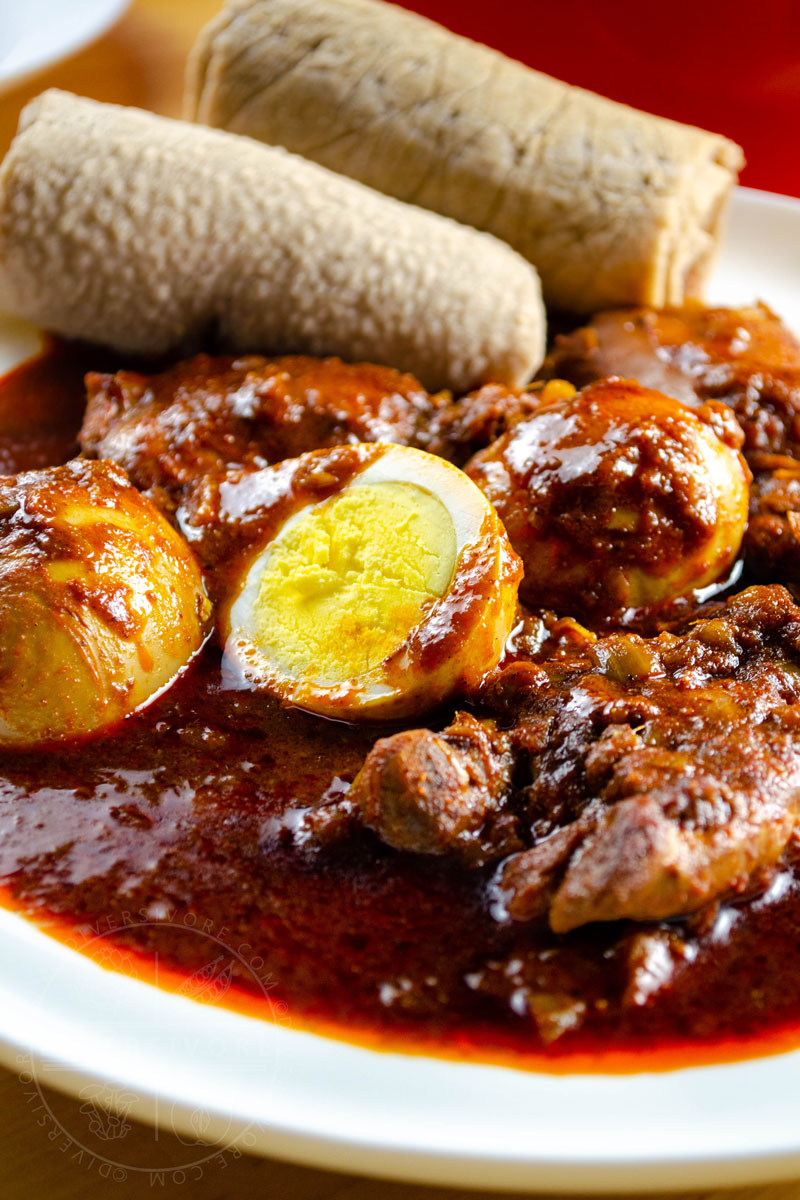
Doro Wat
Slow-simmered chicken in deep berbere, niter kibbeh, and a hard-boiled egg — served bubbling over injera.
From
$18
Family recipes on hand-rolled injera, draft beer at the bar, and big screens lit up for game day — all under one roof in South Minneapolis.
Traditional flavors, rich dishes, and comforting meals made for sharing.
A place to catch big games, enjoy drinks, and gather with friends.
Flexible catering options for celebrations, office lunches, and community gatherings.
A welcoming space built around food, hospitality, and connection.
Crafted from family recipes, served on hand-rolled injera, and made for sharing.
Slow-simmered chicken in deep berbere, niter kibbeh, and a hard-boiled egg — served bubbling over injera.
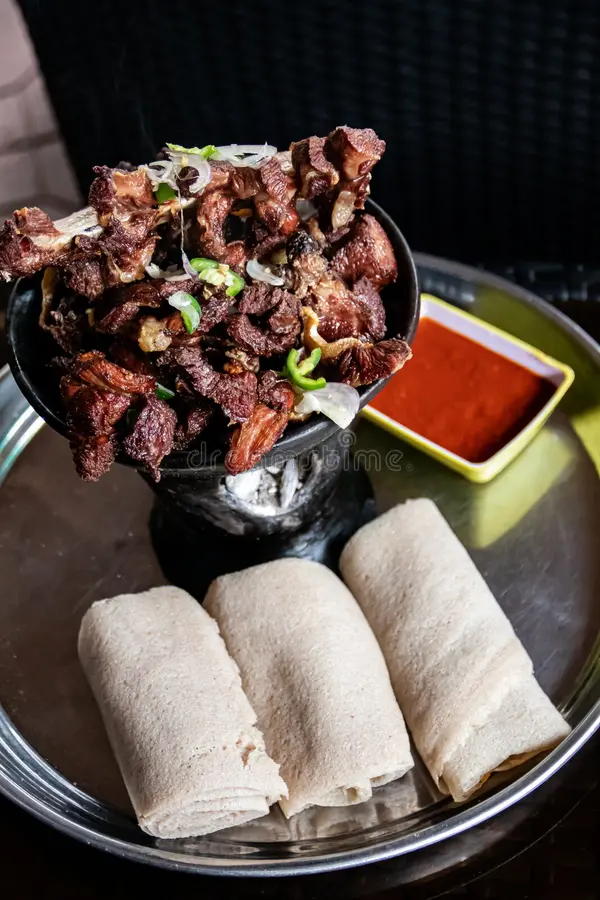
Pan-seared beef with rosemary, onions, and jalapeño.
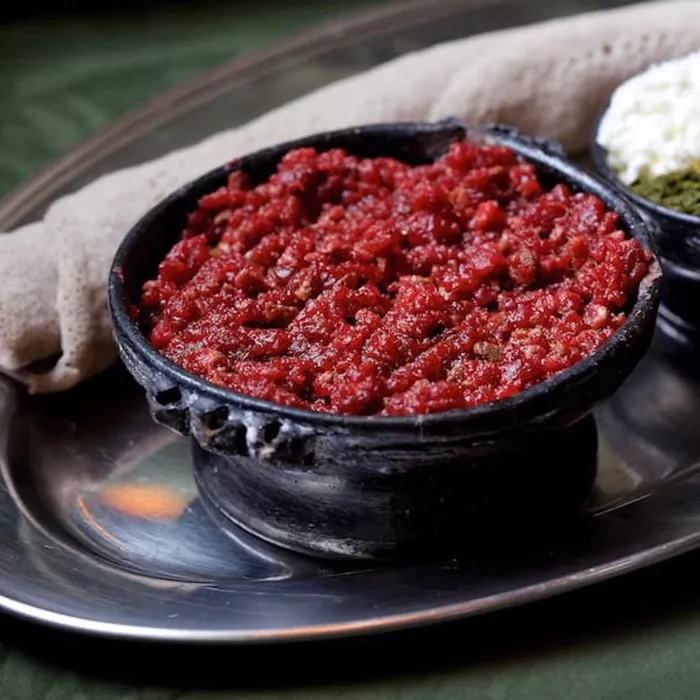
Hand-minced beef seasoned with mitmita and niter kibbeh.
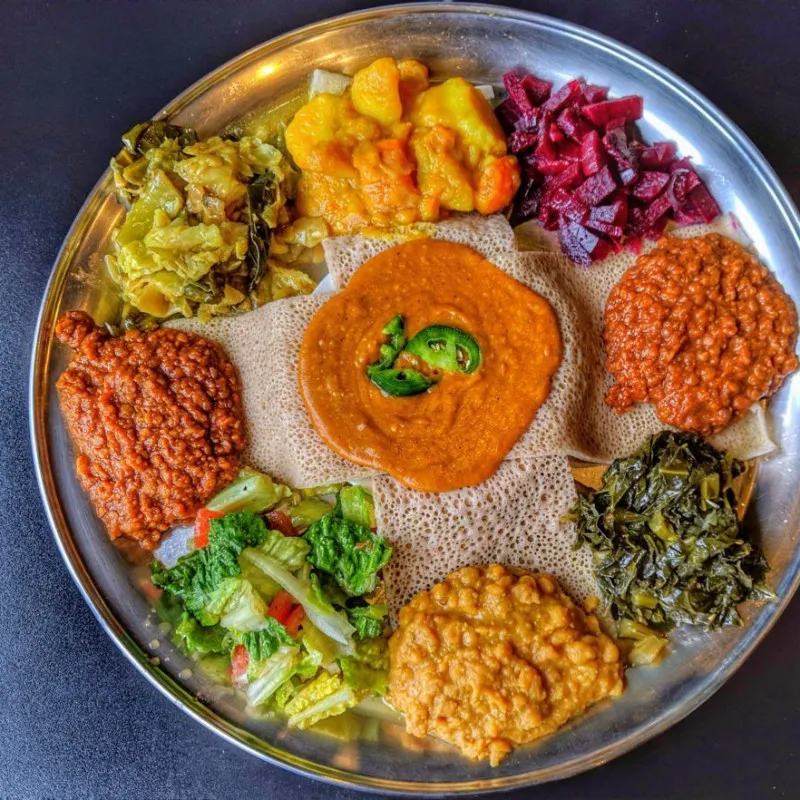
Lentils, greens, cabbage, and seasonal sides on injera.
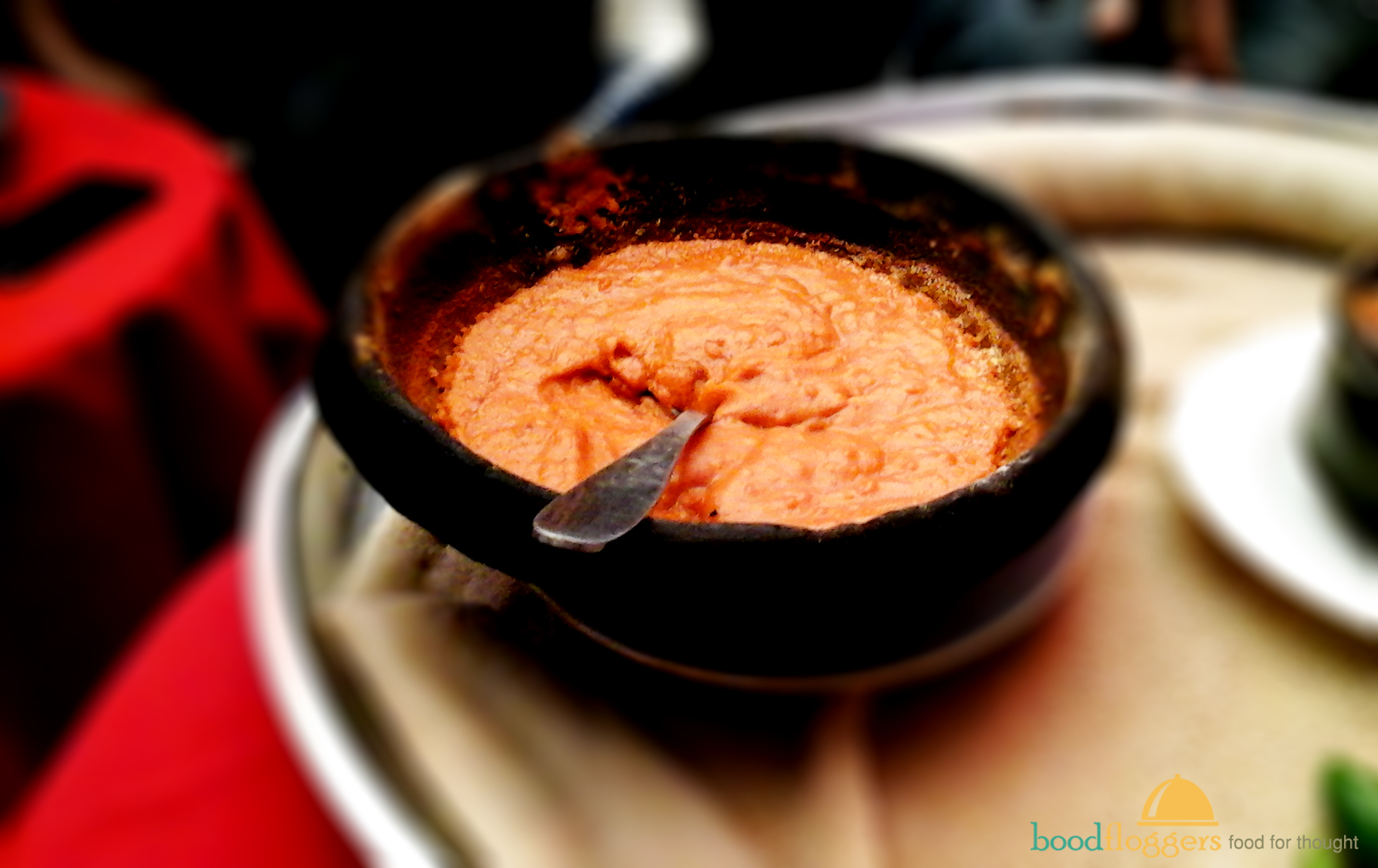
Rich chickpea stew simmered with garlic and spiced butter.
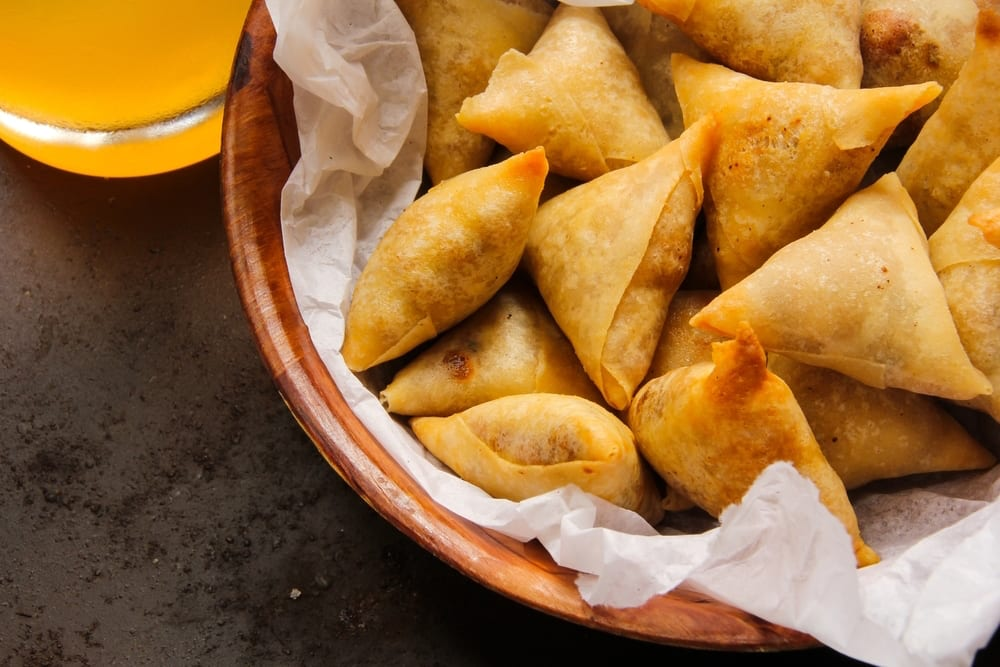
Crispy pastry filled with spiced lentils or beef.
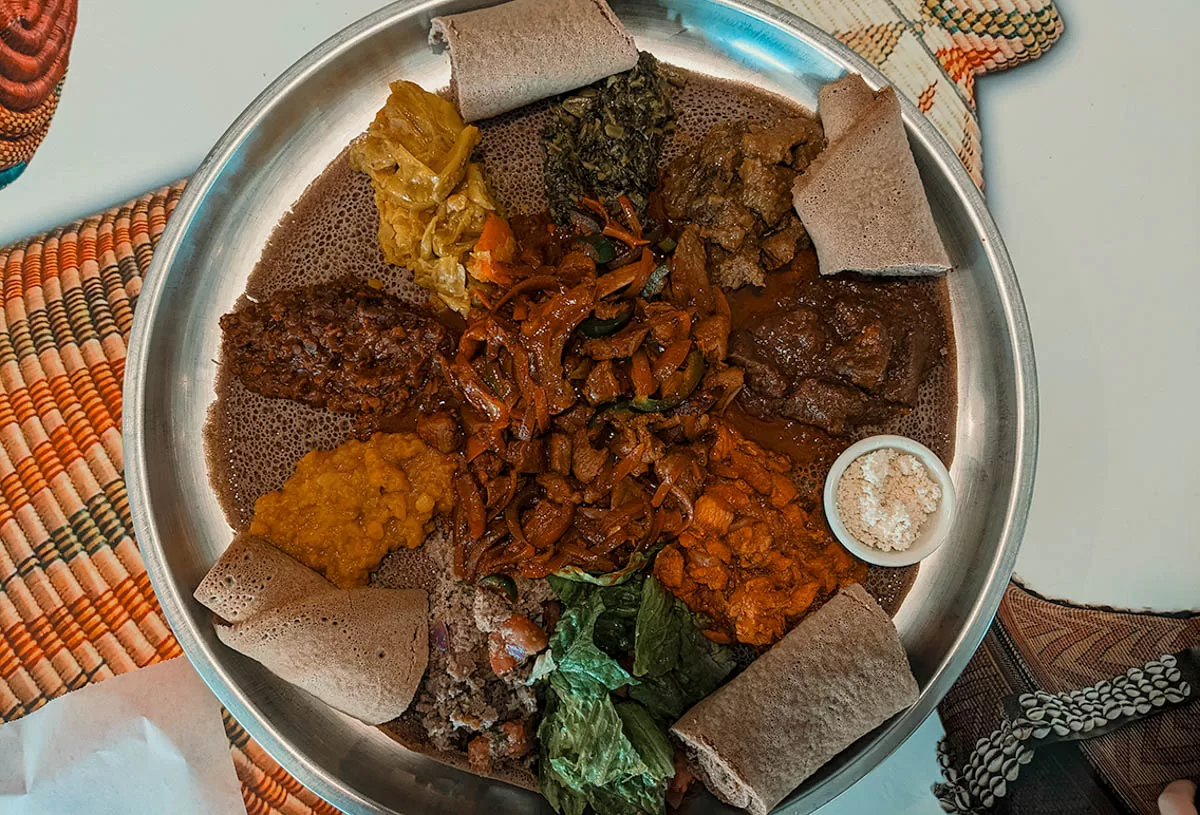
Fresh, hand-rolled injera with seasonal accompaniments.
Food, hospitality, and tradition served together.
Ethiopian dining is built around sharing. Meals are often served on injera, a soft sourdough flatbread used to gather stews, vegetables, meats, and sauces by hand. The experience is warm, communal, and centered around connection.
At Lalibela Kitchen & Sports Lounge, the food is inspired by the traditions that make Habesha dining special: shared platters, rich spices, fresh injera, slow-cooked stews, strong coffee, and the feeling of gathering around one table.
Injera is at the center of the meal. It holds the dishes, brings the flavors together, and makes dining feel shared and communal.
A meaningful Ethiopian tradition where one person feeds another as a sign of respect, love, and hospitality. It reflects the closeness and generosity of the experience.
Ethiopian coffee is more than a drink. It represents hospitality, patience, conversation, and welcoming guests into a shared space.
Dishes like doro wat, tibs, shiro, and misir are built around layered spices, slow cooking, and recipes passed down through families.
In Ethiopian culture, food is not just served. It is shared.
The tiny holes on injera are often called “eyes.”
The foundation of Ethiopian dining.
Injera is one of the most important parts of Ethiopian food. It is a soft, spongy sourdough flatbread traditionally made from teff flour, a tiny ancient grain grown in Ethiopia and Eritrea. Its slightly tangy flavor and airy texture make it perfect for gathering stews, meats, vegetables, and sauces by hand.
In Ethiopian dining, injera is more than bread. It is the plate, the utensil, and part of the meal itself. Dishes like doro wat, tibs, shiro, misir, gomen, and veggie combos are often served on top of injera so the flavors soak into the bread as everyone eats together.
Injera traditionally begins with teff flour, known for its small grain size, earthy flavor, and importance in Ethiopian cooking.
The batter is mixed with water and left to ferment, giving injera its signature tangy taste and light, bubbly texture.
The batter is poured in a circular motion onto a hot flat cooking surface, creating the wide, thin round shape.
Once cooked, injera becomes soft, flexible, and full of tiny holes that help hold sauces and stews.
Injera holds the different dishes, absorbs the flavors, and connects everything on the platter.
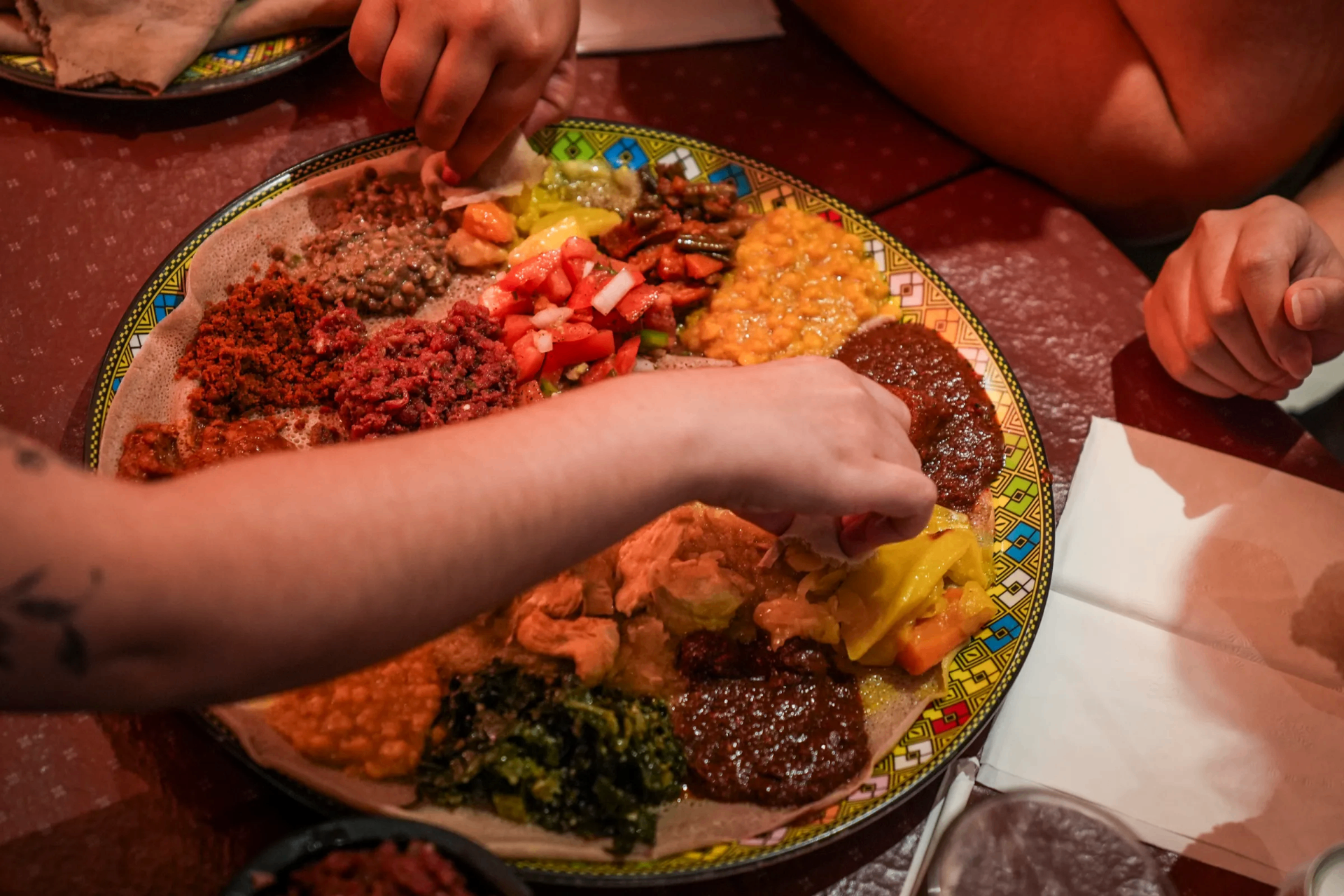
Instead of everyone eating separately, shared injera platters bring people around one table.
Many Ethiopian meals are eaten by using pieces of injera to pick up food by hand.
For many Habesha families, injera connects food, culture, memory, hospitality, and home.
In Ethiopian culture, a shared platter is not just about food. It is about closeness, hospitality, and taking care of the people around you.
Gursha is the tradition of feeding someone else a bite by hand as a gesture of love, respect, and hospitality. It is one of the most meaningful parts of the Ethiopian dining experience.
Not sure how to eat with injera or what dishes to try first? Ask MenuAssist™ for a simple explanation before you order.
Ask MenuAssist™A smarter QR menu customers can scan and ask questions. Try it live below.
An AI-powered QR menu experience that helps customers understand the menu faster — scan from your table, the counter, or the website and ask anything in plain language.
Customers can ask common menu questions themselves, which helps during busy hours.
Menu prices, specials, and items can be updated digitally instead of constantly reprinting menus.
Customers can ask about spice, vegetarian options, popular dishes, and what is good for groups.
A smarter menu makes the restaurant feel more convenient and more current.
MenuAssist™ can help customers ask common menu questions in multiple languages, including English, Amharic, Oromo, Somali, and Tigrinya. This makes the menu easier to understand for families, elders, first-time guests, and customers who feel more comfortable asking questions in their own language.
Customers can ask common menu questions in English, Amharic, Oromo, Somali, or Tigrinya, and MenuAssist™ will answer in the same language whenever possible.
MenuAssist™ may make mistakes with language, translation, ingredients, pricing, or availability. Customers should confirm with restaurant staff before ordering, especially for allergies, dietary restrictions, alcohol, ingredients, pricing, or availability.
Final price may vary based on scope and your specific needs.
Mobile-friendly digital menu page, custom QR code, categories, items, prices, and printable QR file for tables, counters, flyers, and windows.
Final price may vary based on scope and your specific needs.
AI MenuAssist™ setup, QR digital menu, customer menu assistant, plus Google review, social, catering/specials, and online ordering QR codes.
Final price may vary based on scope and your specific needs.
Price, menu, specials, and new-dish updates; assistant response improvements; QR/menu link and review QR testing.
A strong restaurant website should make it easy for customers to take action quickly. Ordering should feel clear, simple, and mobile-friendly.
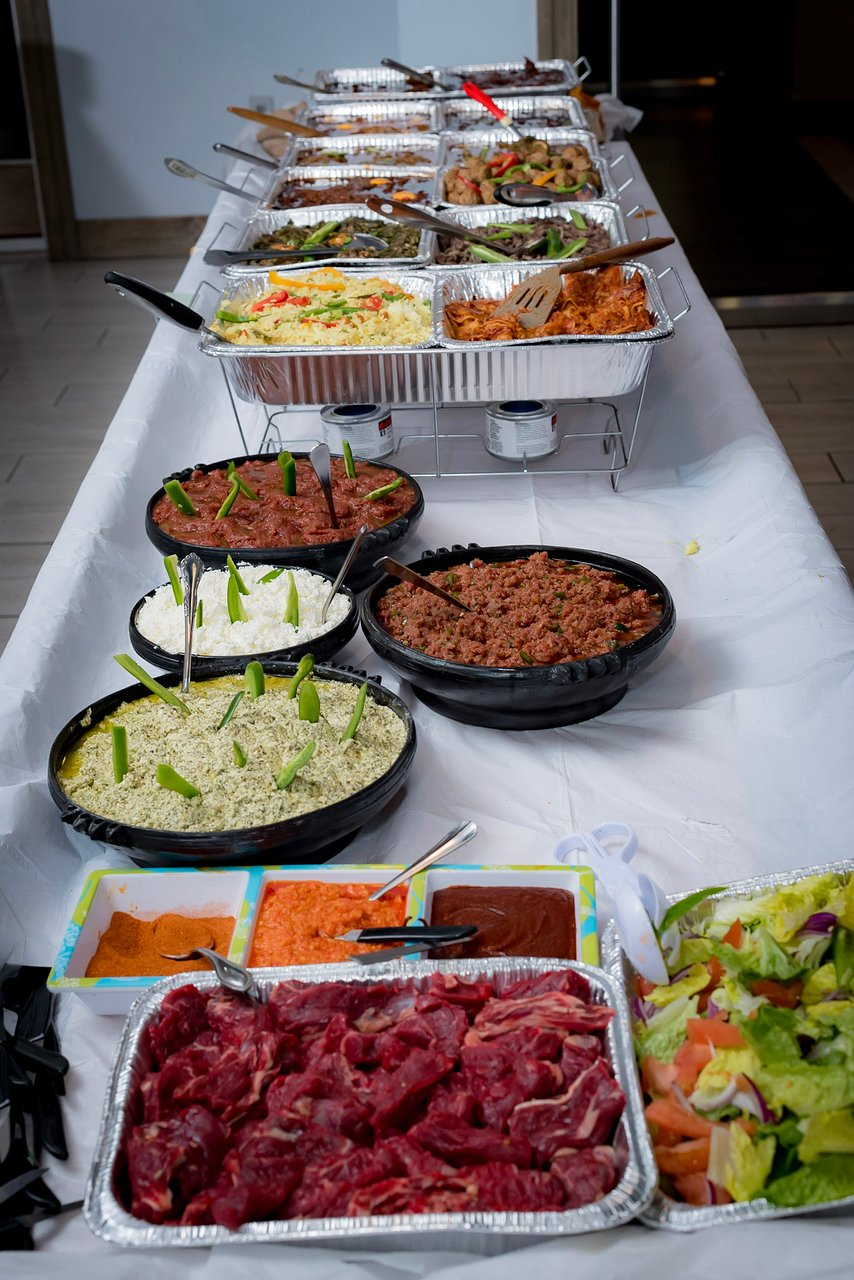
Lalibela Kitchen & Sports Lounge offers catering for family events, office lunches, birthdays, celebrations, church and community events, and group gatherings.
Great for sharing and feeding larger groups.
Options for different event sizes, food preferences, and occasions.
A clear and simple way to ask about menu options, pricing, and availability.

 Arsenalvs
 PSG
PSGCatch the Champions League Final at Lalibela with food, drinks, and a lively sports lounge atmosphere.
21+ only for alcoholic beverages.
House-brew Tej paired with sizzling tibs — a classic Habesha combo.
Rotating drafts and shareable plates during every major match.
Signature lounge drinks for late dinners, music, and good company.
A shared platter plus a round of drinks — built for the table.
Alcoholic beverages are available for guests 21+ only. Please enjoy responsibly.

House drinks, draft beer, and lounge favorites.
Pair your meal with house specialties, draft beer, and lounge drinks made for game nights, group dinners, and weekend gatherings.
Traditional Ethiopian honey mead made in-house with a smooth, lightly sweet flavor.
Rotating draft beer options available for game days, lounge nights, and dinner service.
A curated drink selection for guests enjoying dinner, sports, music, and the lounge atmosphere.
Coffee, tea, soft drinks, juices, and refreshing non-alcoholic options for all guests.
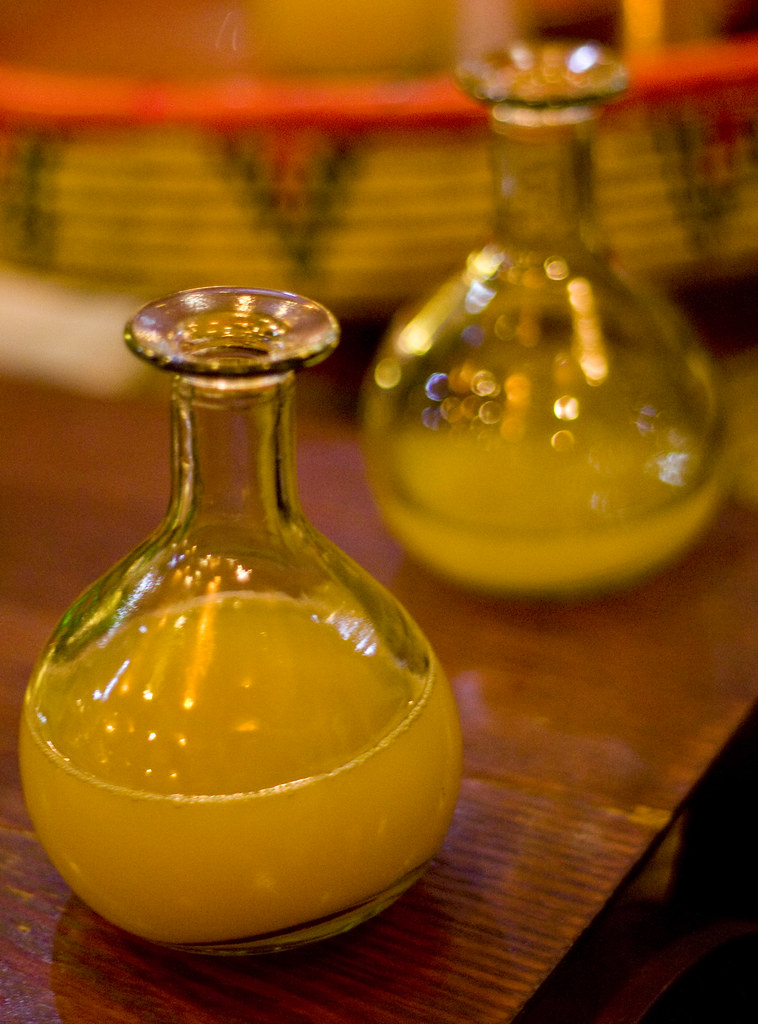
Try our house-brew Tej, a traditional Ethiopian honey mead made in-house. Smooth, lightly sweet, and perfect with tibs, kitfo, or a shared platter.

Enjoy rotating draft selections during game days, lounge nights, and featured watch parties.
Alcoholic beverages are available for guests 21+ only. Please enjoy responsibly.
Food, drinks, sports, and a place to gather — woven into a single Habesha-inspired space.
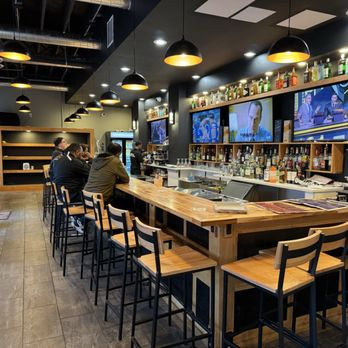
A lively environment for major sports events and match nights.
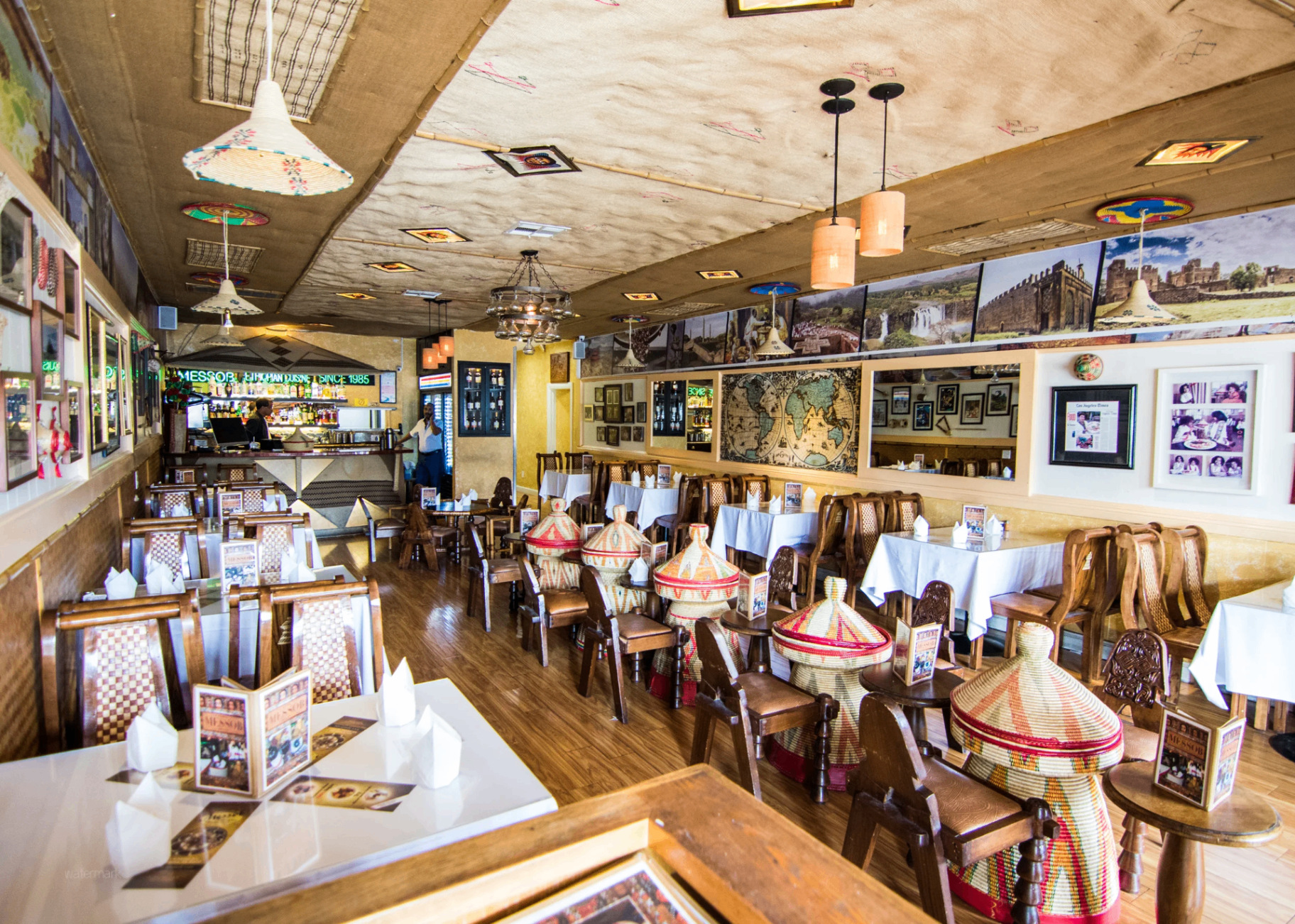
A place for friends, families, and larger groups to gather.

Regular specials and event-style experiences that keep the atmosphere active.
A family tradition built around food, hospitality, and community.
Lalibela Kitchen & Sports Lounge began in 1984 with a simple idea: create a place where people could feel at home the moment they walked in.
Founded by Tadesse and Almaz Bekele, Lalibela started as a small family restaurant built around recipes passed down from their parents and grandparents. What began with a few traditional dishes, fresh injera, and a deep love for Ethiopian hospitality slowly became a gathering place for families, friends, students, workers, and anyone looking for a warm meal and familiar flavor.
Over the years, the restaurant grew with the community. Children who once came in with their parents now return with families of their own. Regulars still ask for the same dishes they ordered years ago, while new customers come in to try Ethiopian food for the first time.
Today, Lalibela Kitchen & Sports Lounge is carried forward by the next generation of the Bekele family. The restaurant still honors the same roots: rich spices, shared plates, welcoming service, and a space where people can eat, watch a game, celebrate, and gather.
From family dinners to game-day nights, catering orders, and weekend lounge evenings, Lalibela is more than a restaurant. It is a place built on culture, comfort, and connection.
"Food was never just about eating. It was about bringing people together."
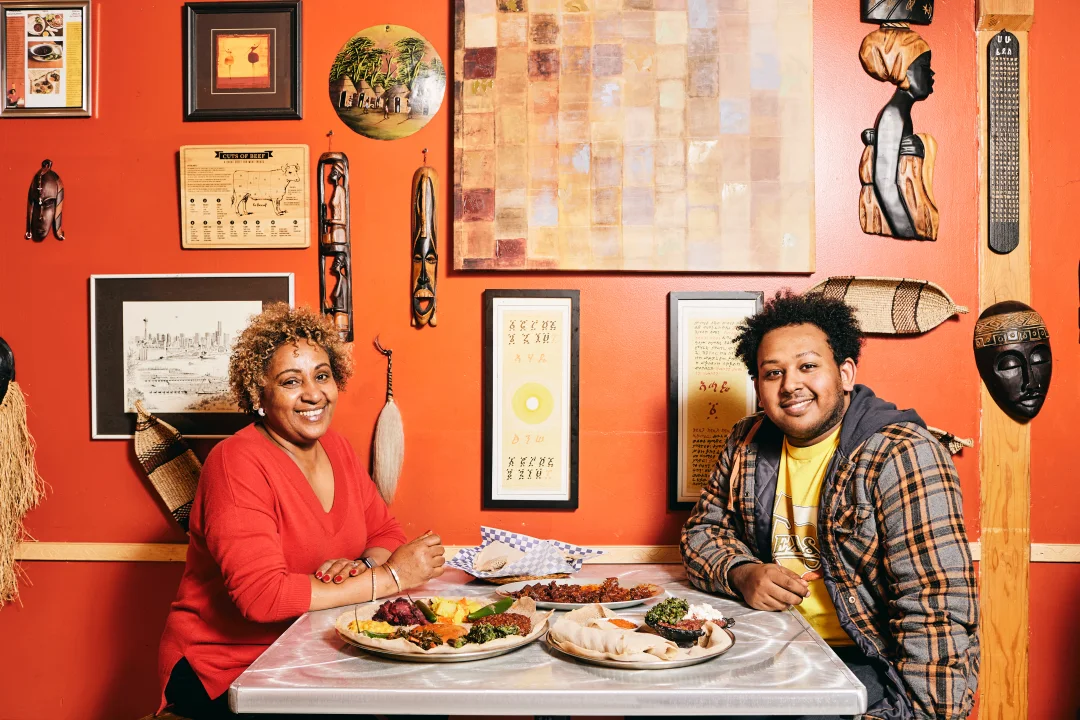
"The doro wat is the closest I've had to my grandmother's. We came for dinner and ended up staying for the game — felt like home."
"Watched the derby here with friends. Great drinks, big screens, and the tibs hit perfectly. Easily our new spot."
"Ordered catering for my mom's birthday — 30 people, zero stress. Platters arrived hot, beautifully presented, and everyone asked where it was from."
This restaurant concept shows how EastBridge Digital can help Habesha restaurants build a stronger online presence with better food presentation, easier ordering, clearer catering promotion, stronger trust, and a more modern customer experience.

EastBridge Digital builds restaurant websites that help businesses show their food better, improve online ordering, promote catering, highlight specials, and create a stronger customer experience.